We use cookies on this site to enhance your user experience
By clicking the Accept button, you agree to us doing so. More info on our cookie policy
We use cookies on this site to enhance your user experience
By clicking the Accept button, you agree to us doing so. More info on our cookie policy
Join us for a university-wide brown-bag event with Dr. Hilary Bergsieker, featuring a talk on unconscious bias followed by an interactive discussion and Q&A session. All students, researchers, staff, and interested members of the public are warmly welcome. The Public Brown-Bag Event on Unconscious Bias will take place on October 8, 2026, from 12-13:30 h in Room 0.001 of the Central Lecture Hall and Seminar Building (ZHSG/Z6) on the Hubland South Campus of the University of Würzburg. The event will feature a lecture by Dr. Hilary Bergsieker, Associate Professor of Psychology at the University of Waterloo, Canada, on unconscious bias, followed by an interactive discussion and Q&A session. The event is open to all students, researchers, staff, and interested members of the public.
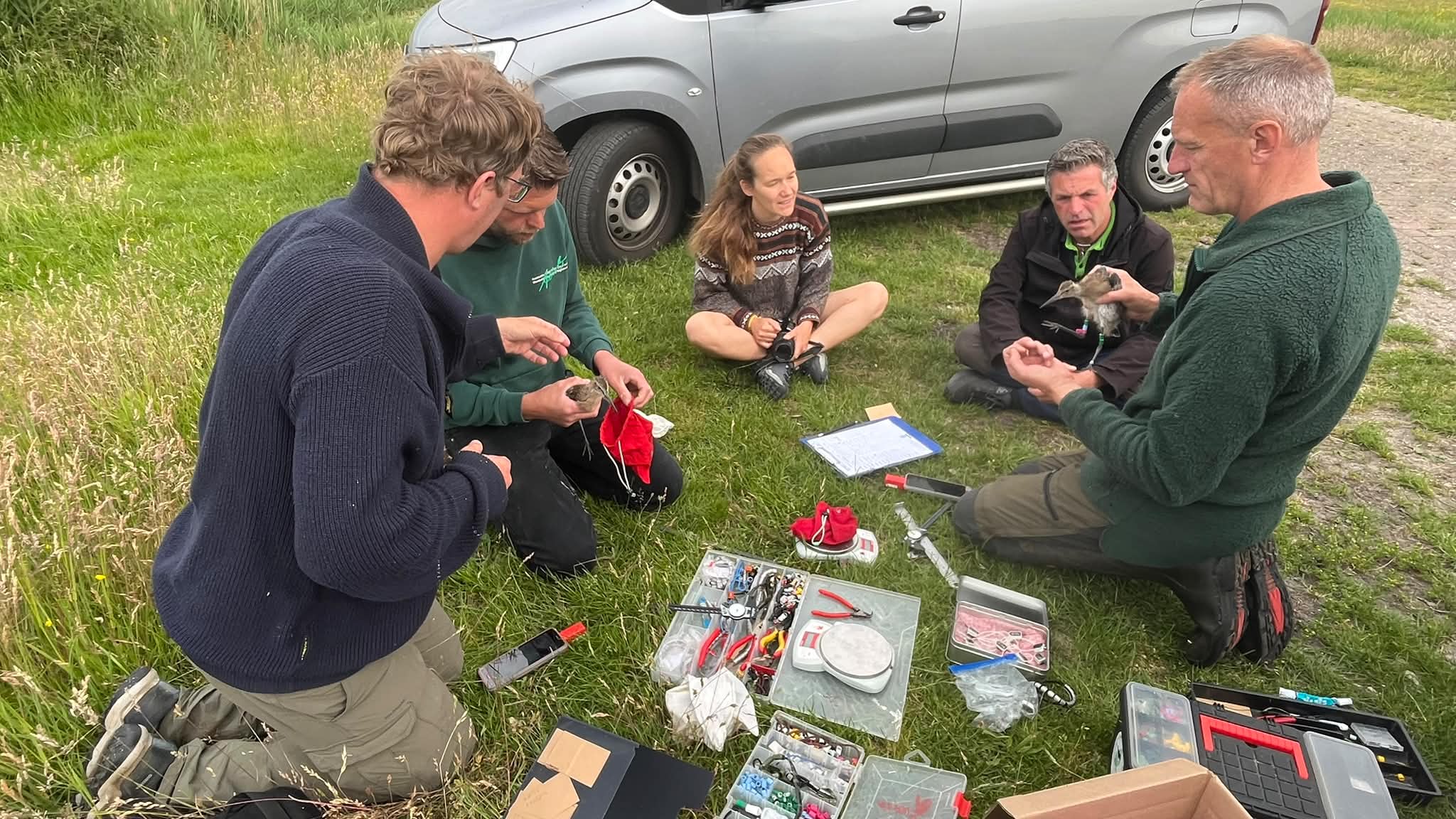
In the first week of July, I visited project partners in the Netherlands to strengthen collaborations within the DFG SOS project and exchange ideas on animal movement ecology and Earth observation. At Radboud University in Nijmegen, I presented my PhD research and discussed movement-analysis methods with researchers working on GPS-tracked bird species. The visit continued with fieldwork at the Dutch Wadden Sea, where I joined the Birdeyes project in studying black-tailed godwits and spoonbills through ringing, monitoring, and GPS tracking. The trip provided valuable scientific exchange and inspired new perspectives on combining bird-based and satellite-based observations to better understand environmental change.
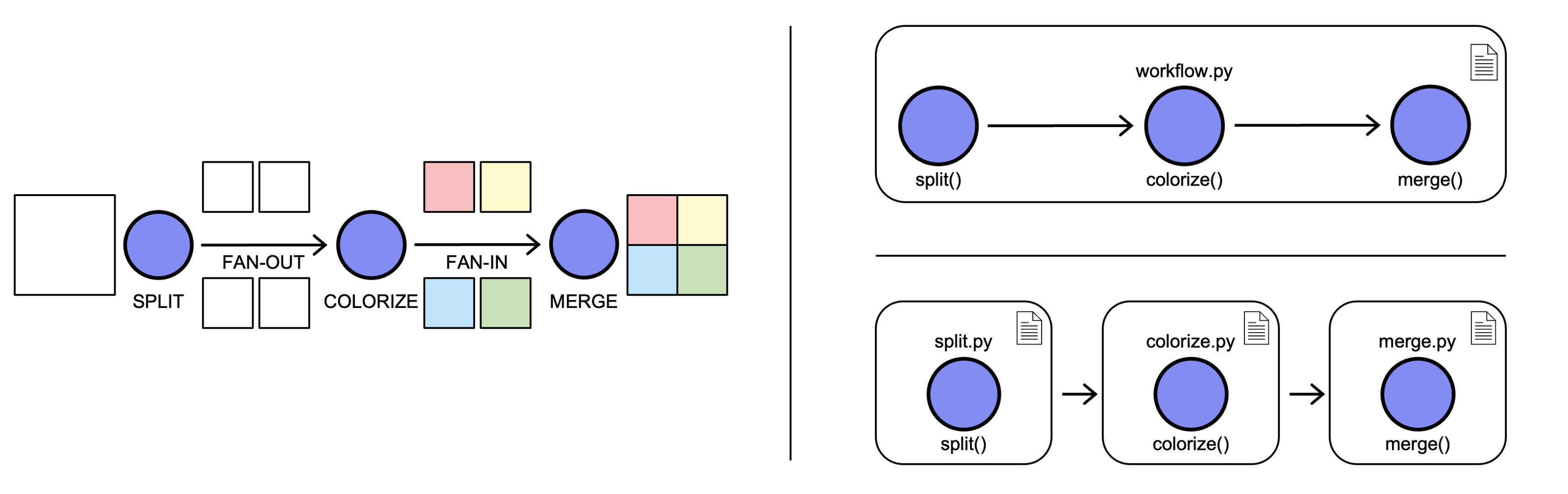
We are currently conducting a survey aiming to identify key challenges scientists encounter when working on scientific workflows. As part of this research project we are developing a framework designed to streamline and facilitate the execution of these workflows. Consequently, your feedback will help us quantify the key issues this framework must address to provide maximum benefit to its future users.
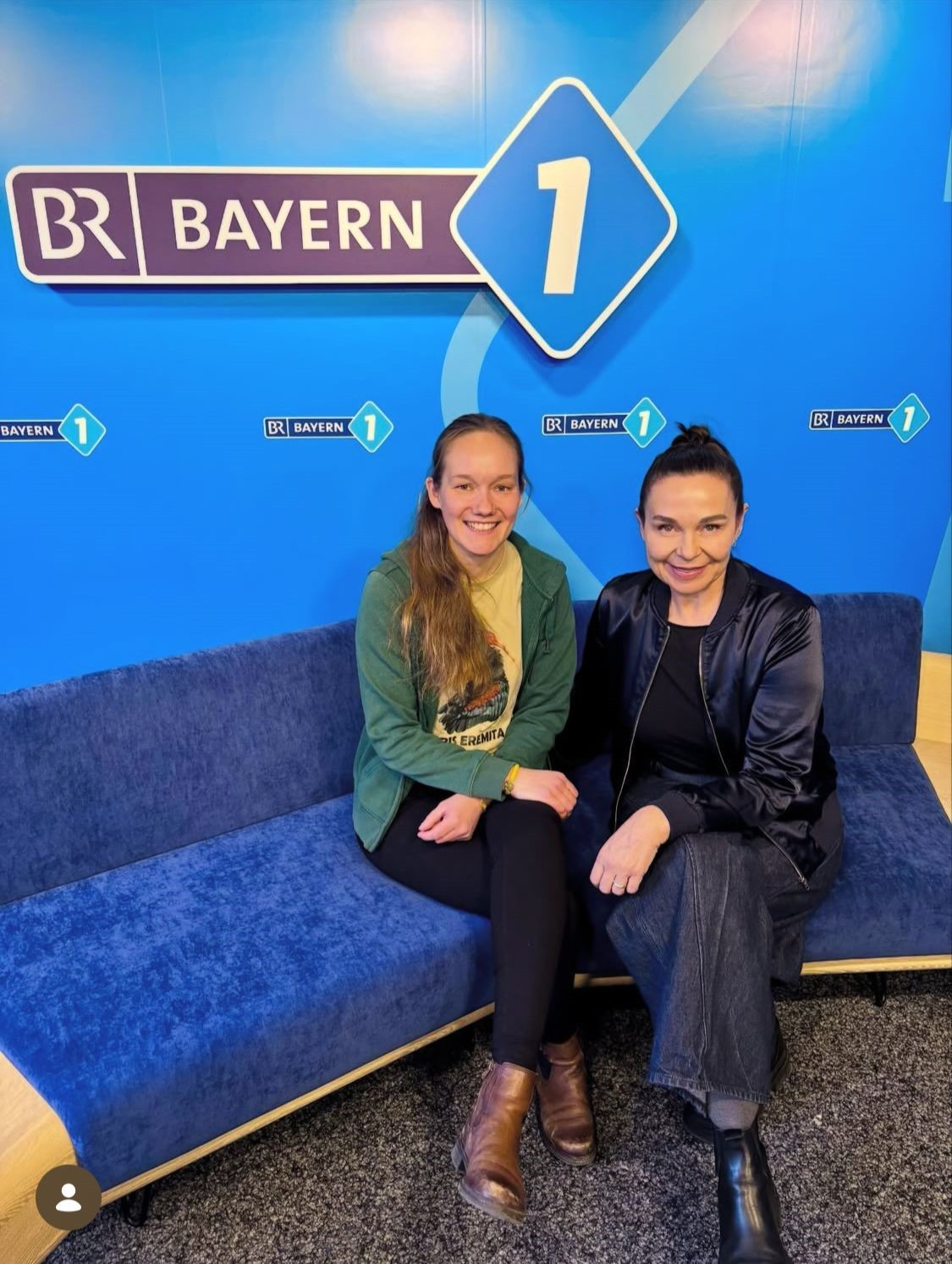
As part of the reintroduction program for the northern bald ibis, Helena accompanied the birds to their winter quarters as their foster mother. Over many weeks, she got the animals used to her, and they then followed her ultralight aircraft south. She knows each bird by name, and when they were released into the wild, she was both happy and sad.
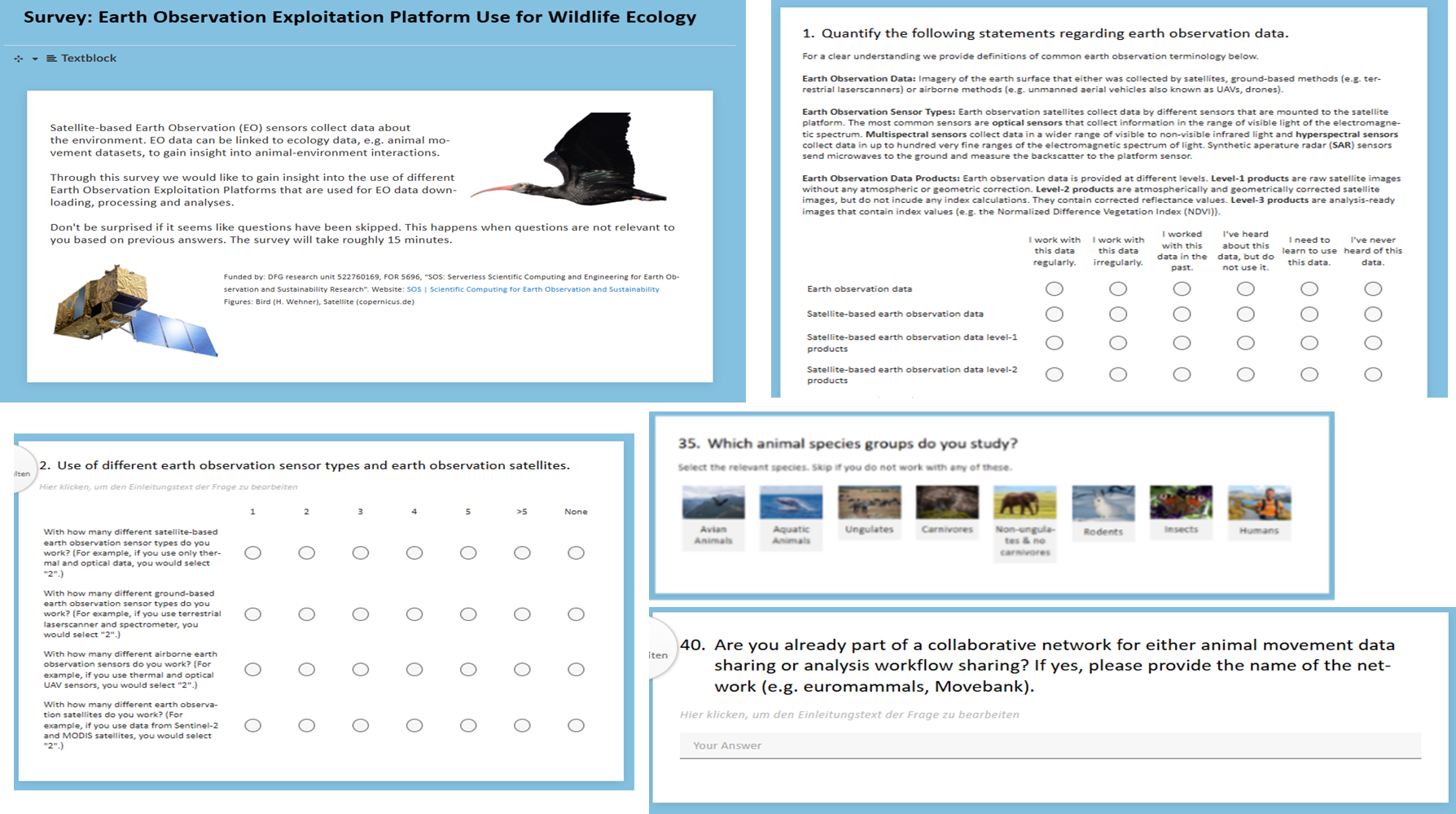
Through this survey we gained insight into the use of different earth observation exploitation platforms that are used for EO data downloading, processing and analyses. Additionally, we retrieved information about the use of different types of EO data, EO sensors used, specific satellites used and auxiliary data, e.g. weather and animal movement data.