We use cookies on this site to enhance your user experience
By clicking the Accept button, you agree to us doing so. More info on our cookie policy
We use cookies on this site to enhance your user experience
By clicking the Accept button, you agree to us doing so. More info on our cookie policy
Published: Jul 6, 2026 by Helena Wehner
In the first week of July, I visited our project partner Andrea Kölzsch at the University Radboud in Njimegen (Netherlands). I was warmly welcomed by her family and headed to the University together with her on Monday. Beside in person discussion about the DFG SOS vision I was happy to give a talk about my PhD project (EO1 in DFG SOS). Additionally, I could discuss the method I am working on with Kees Schreven, a post-doc in Andrea’s research group. Kees Schreven has experience in using movement methods related to huntable geese species in the northern Europe. After Nijmegen, I moved on to Gaast at the Dutch coast to meet up with Theunis Piersma and Petra Goeij, the leading scientists of godwits and spoonbill research in the Netherlands. Beside that Theunis Piersma is the most well-known ornithologist in the Netherlands. He started a project called Birdeyes at the University of Groningen aiming to better understand changing landscapes through the eyes of migratory birds by GPS tracking. The team works on animal movement analysis, mainly about birds in the Dutch mut flats, but expanding to other species and the places they stop during migration. This is where I got in contact with Theunis and Petra. During the migration of the Northern Bald Ibises, we met in the south of Spain, Vejer de la Frontera. We came migrating with the Northern Bald Ibises from southern Germany across France and along the eastern coast of Spain whereas they came following the spoonbills from the Dutch coast along the northern French and western Spanish coast. During my stay with the Birdeyes project I observed black-tailed godwits catching, ringing, measuring and GPS tracking attachments (photo 1).
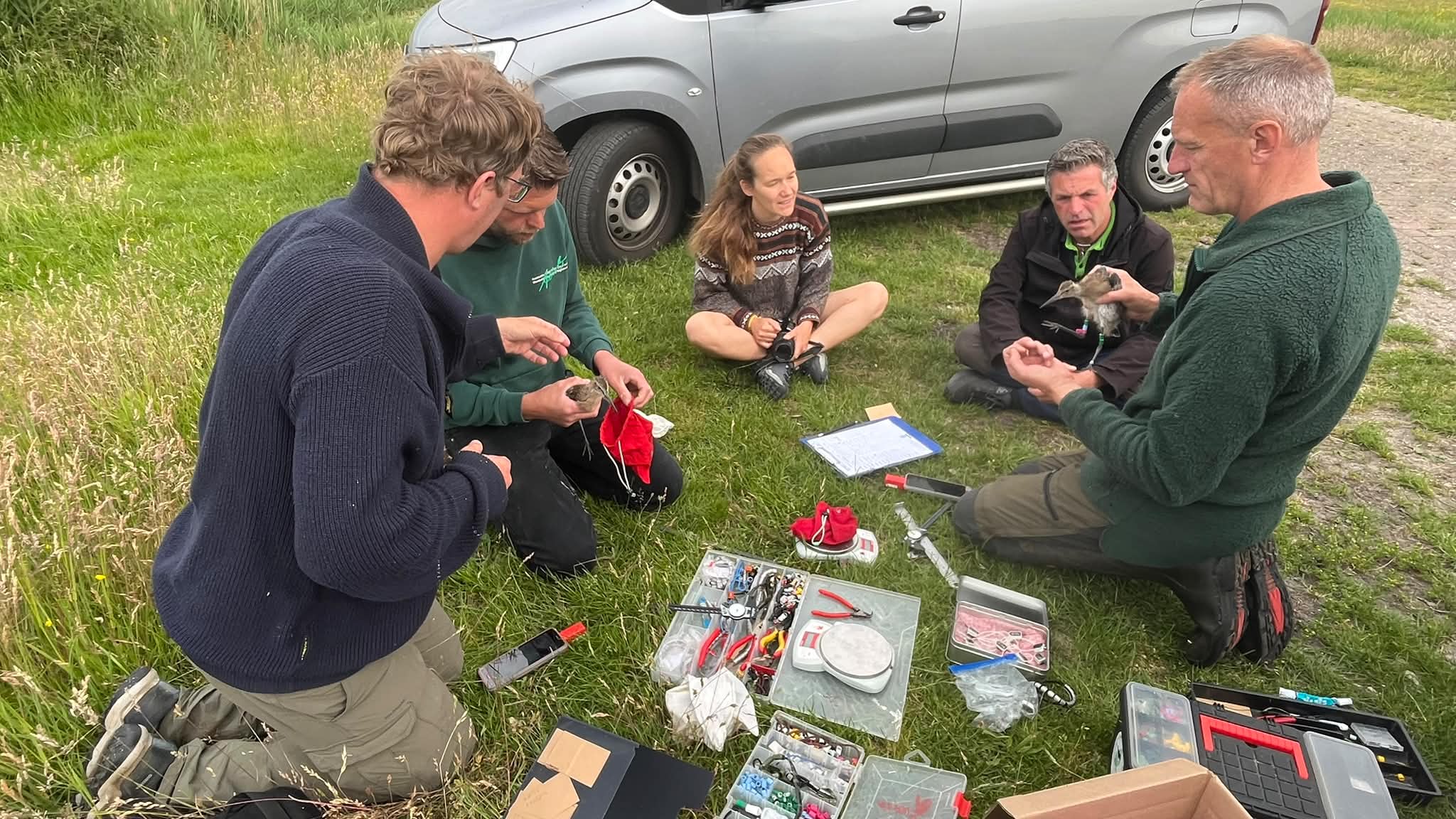
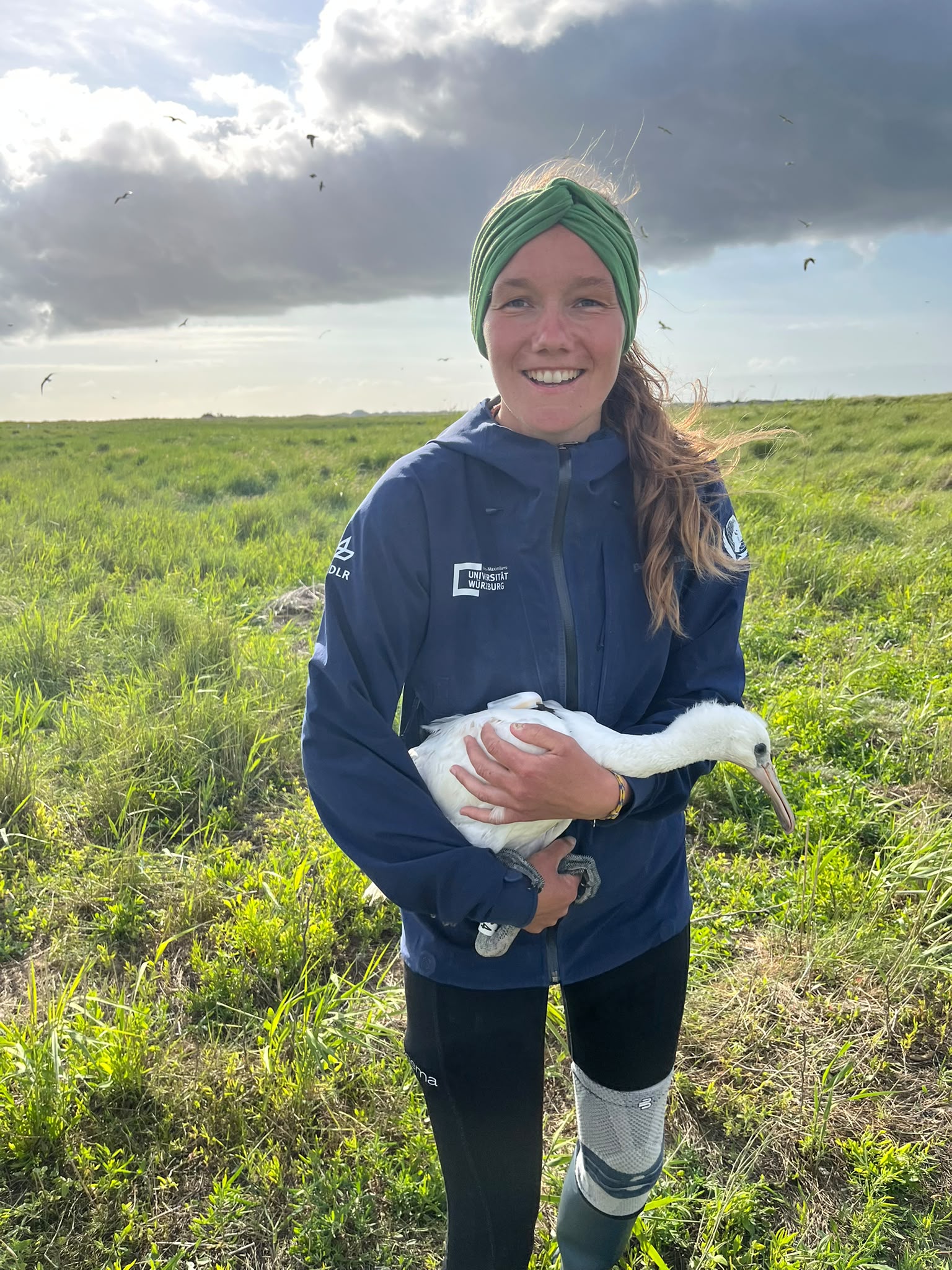
The relatively small birds were searched in the field with a thermal infrared drone. Adult birds move away from their chicks to distract predators, but in the thermal imagery the smaller chicks were easy visible in the vicinity of a parent. Beside the black-tailed godwits research most of the time I joined spoonbill field work. The spoonbills are investigated on their breeding and migration behavior by regular observations, ringing and GPS-tracking (photo 2).
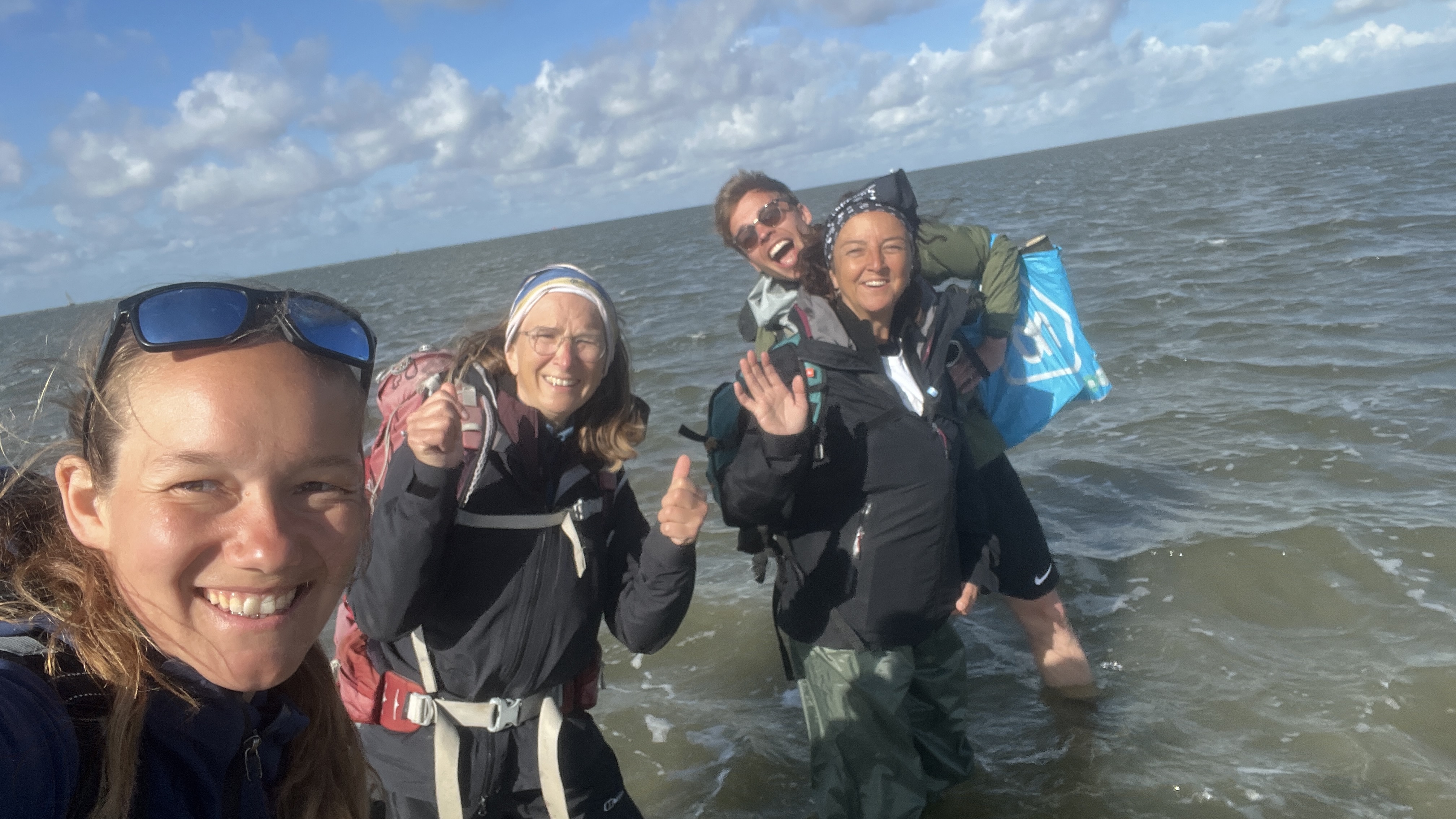
During my stay of about a week, we travelled across all Dutch Wadden Sea island to catch, ring and measure a sum of at least 25 chicks on each island. Beside Schiermonnikoog, Terschelling, Ameland and Vlieland, Griend, a non-inhabited island, nature reserve, was not easy to reach. We started on a governmental boat, changed to a small motor boat and had to walk some 500m across the sea to finally reach the island (photo 3).
All in all, it was an exciting stay with discussions in the field and evening talks when I was presenting about DFG SOS and earth observation in animal movement, ecology and conservation (photo 4).
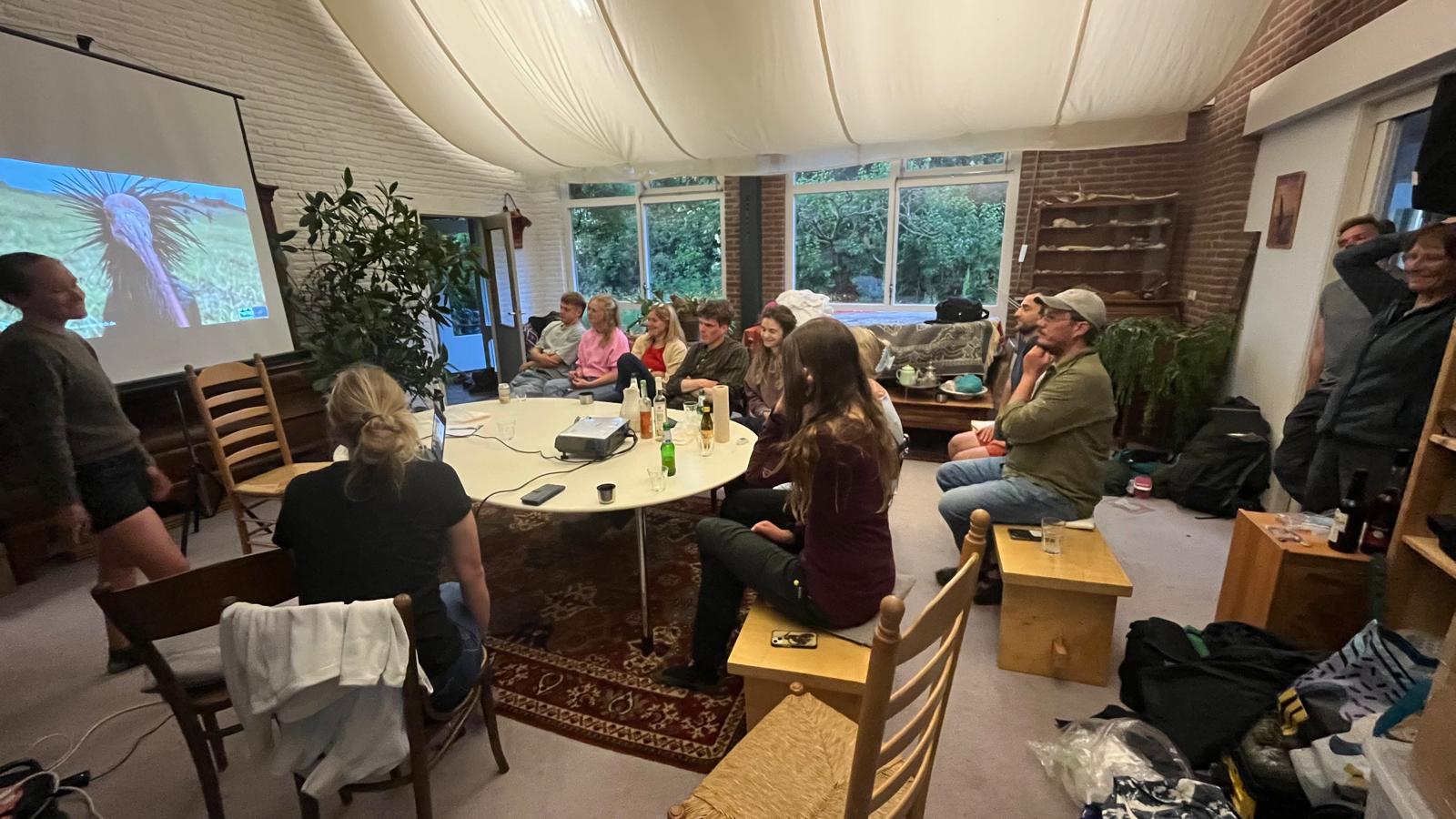
Passionate exchange about bird experiences, their communication, their behavior, were followed by ideas on making land surface dynamics and changes better visible by a bird eyes and space eyes perspective.